Event strategy Every event earns its place
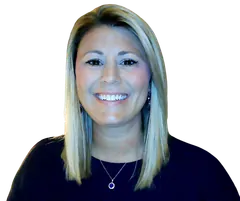 Tracie Crites founded Events Authority after more than fifteen years in the IT channel, buying sponsorships as a Chief Channel Officer and owning a festival's sponsor relationships. CRN 2025 Channel Chief and Woman of the Channel.
We plan event strategy for B2B teams: which trade shows, sponsorships and hosted events get your budget, and what each one has to do to keep it.
What you get
- Scope. Your whole event portfolio in one plan: the trade shows, the sponsorships and the events you host yourself, the budget split across them, and a keep-or-drop review after each event.
- Outcome. A calendar where every event has a job and a number to beat, and a clear call on the ones that miss.
- Timeline. Portfolio decisions come before any single show’s prep. Each show then runs on its own clock, starting at least 12 weeks before the event.
- Who it’s for. B2B companies in any industry with money spread across several shows, sponsorships or hosted events.
- Who it’s not for. A team that has already picked its shows and needs the booth, the staffing and the lead capture. That’s trade show consulting. Organizers selling sponsorships want sponsorship program design.
How does it work?
- Put everything on one list. Every show, sponsorship and hosted event you’re in or weighing, including the ones you’ve always done and the events for customers you already have.
- Give each event a job. One sentence per event: what should be true 30 days after the event. If nobody can write it, the event has no job yet. It’s the first step of event-led growth, where events run as one program, not a string of dates.
- Split the budget. Money follows the jobs that matter most this year. Every event gets a number to beat, measured the same way, cost per lead included.
- Run each show on its clock. The shows that make the cut get their own plan, starting at least 12 weeks out.
- Review, then keep, fix or drop. After each event, check it against its job and its number. The count starts in the week after the trade show, when conversations from the floor turn into meetings or fade.
Does the rule hold up?
Disclosure
Tracie Crites ran Breach Secure Now's trade show and channel event program from 2020 to 2025, first as VP of Sales & Marketing and then as Chief Channel Officer.
Every event on that calendar was held to a positive return or dropped the following year. Each one went into the same per-event matrix, with cost per lead in it, so no show got a pass for being a habit. The figures at the top come from that program.
Not every event’s job is leads. Some earn their place by what the team learns. At the Channel Marketing Association Marketing Summit in 2025, Tracie called a session from Jay McBain incredible.

Events aren’t just for new leads. They’re also an opportunity to cultivate relationships with your current partners, to reinforce your value, to deepen trust, and to set the stage for future growth.
Tracie Crites · Founder, Events Authority
Events Authority is led by Tracie Crites. She leads every engagement.
Common questions
What does an event strategy engagement cover? The whole portfolio, not one show: each event’s job, the budget split, and the review that decides keep, fix or drop. You come away with a calendar and the rule for changing it.
How is this different from trade show consulting? Event strategy is the portfolio decision one level up: which mix of trade shows, sponsorships and your own hosted events gets the budget, how much each gets, and the cadence for deciding what stays. Trade show consulting is the exhibit program for a show you’ve already chosen. If the calendar isn’t settled, start with the strategy.
When should we start? Before the budget year is set, while the calendar can still change. A show you’ve already signed stays on the list and gets a job like everything else.
Do you work in our industry? Nothing in the rule is tied to one industry. Every event gets a job, a number and a review. The program it comes from ran in technology events.
We sell sponsorships. Is this for us? No. This service is for teams that buy sponsorships. If you have tiers to fill and sponsors to keep, sponsorship program design is the better fit.
Where do you start?
Send us every show, sponsorship and event on next year’s list, with what each one costs. We send back a written read on which events have a job, which don’t, and where the money should move.